The FIFA World Cup 2026 will be the largest tournament the sport has ever seen. For the first time, 48 national teams will compete across 104 matches hosted throughout the United States, Canada, and Mexico. Beyond the excitement on the field, the tournament is expected to create one of the most significant hospitality opportunities in recent history.
According to Tourism Economics, approximately 1.24 million international visitors are expected to travel to U.S. host cities during the tournament, generating an estimated $6.4 billion in tourism spending. Across all host countries, attendance is projected to reach roughly 6.5 million people. For restaurants, bars, and hospitality groups, that translates into weeks of increased demand, larger groups, more reservations, and a higher volume of guest inquiries.
Most operators are already thinking about attracting those visitors. Marketing campaigns, viewing parties, special menus, and promotional offers are all part of the preparation process. What often receives less attention is the ability to capture demand once it arrives.
The restaurants that benefit most from the World Cup will not simply be the ones generating attention. They will be the ones that consistently turn guest interest into reservations, orders, and revenue.
Why World Cup Demand Matters for Restaurants
Large-scale sporting events have always generated meaningful increases in restaurant traffic, but the World Cup operates on an entirely different scale. Millions of visitors travel specifically for the event, creating a concentration of tourism spending that few industries experience outside of major holidays.
For restaurants, this creates opportunities across multiple revenue streams. Visitors need places to dine before matches, celebrate afterward, host business meetings, gather with friends, and experience local hospitality throughout their stay. Many of these guests are unfamiliar with the market and actively searching for recommendations, availability, and reservation options.
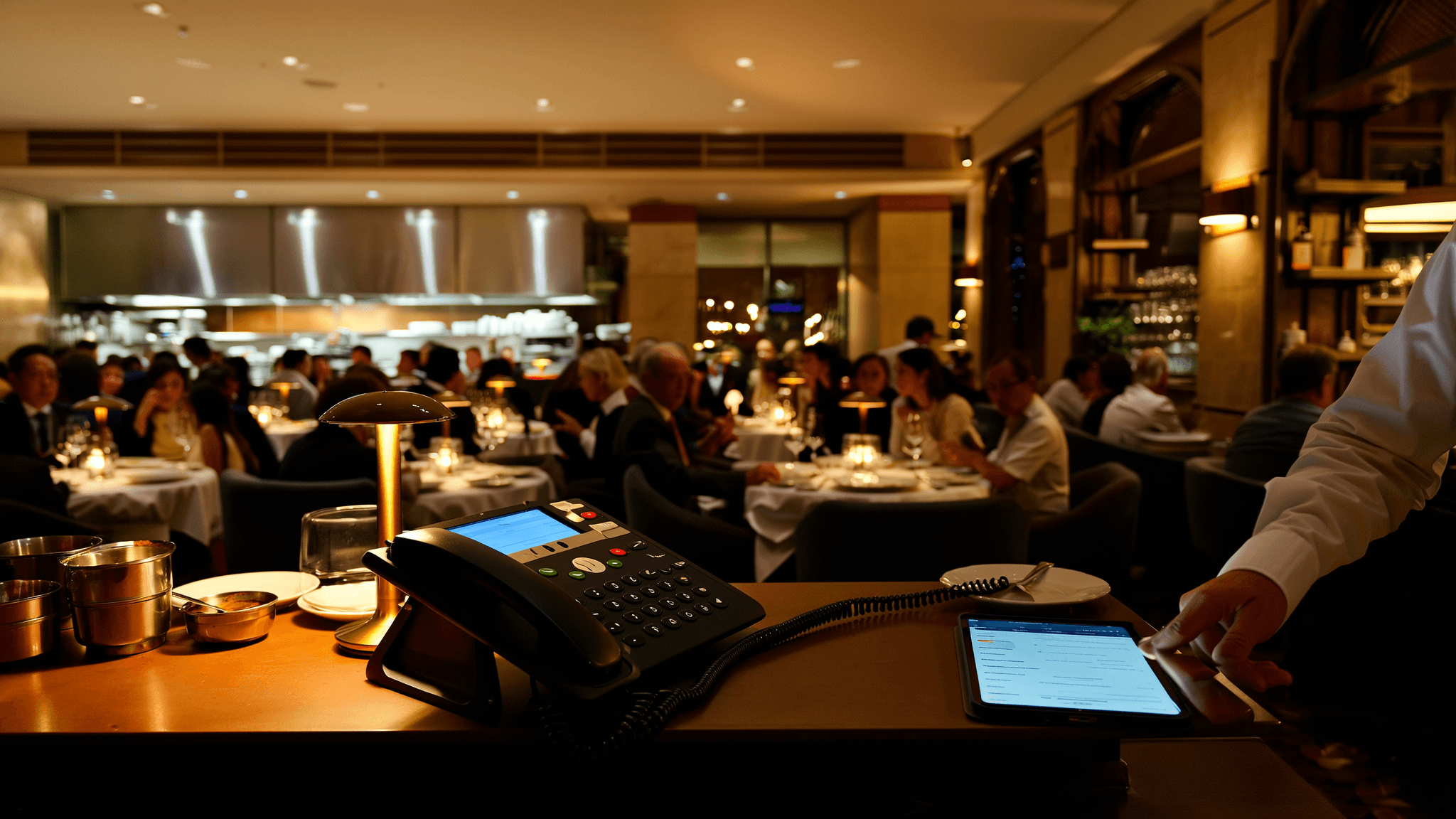
That behavior creates a surge in communication activity alongside the increase in foot traffic. Guests call to ask about reservations, private events, large-party accommodations, operating hours, menu options, and match screenings. Every one of those interactions represents potential revenue.
The opportunity extends beyond restaurants located next to stadiums. Visitors stay in hotels, move throughout cities, attend fan events, and explore neighborhoods during their trip. As a result, the economic impact spreads across a wide range of hospitality businesses.
The scale of the World Cup means that even small improvements in a restaurant's ability to capture demand can have a meaningful impact on revenue over the course of the tournament.
What Restaurants Risk Losing When Demand Surges
The challenge with major events is that demand grows faster than operational capacity.
Industry reports show that restaurants already miss between 30% and 40% of incoming calls during peak periods. Many operate with answer rates between 60% and 70%, even under normal conditions. When thousands of visitors enter a market at the same time, those gaps become significantly more expensive.
A missed call is rarely just a missed conversation. It may be a reservation request, a catering inquiry, a private dining opportunity, or a guest deciding where to spend their evening. The faster demand increases, the more valuable each interaction becomes.
Caller behavior makes the problem even more significant. According to Hiya's State of the Call Report, 62% of callers never leave a voicemail. If the phone goes unanswered, most guests simply move on to another option.
This is especially important during the World Cup, when visitors often make decisions quickly and have dozens of alternatives available. A guest searching for a restaurant before a match may call several locations and choose the first one that responds.
The revenue impact is often larger than operators realize because many of these missed opportunities never appear in POS systems, reservation platforms, or sales reports. They disappear before the restaurant has a chance to track them.
How World Cup Traffic Impacts Restaurant Operations
Demand Starts Before Visitors Arrive
World Cup demand often begins before travelers reach their destination. Visitors research restaurants, plan reservations, and organize group outings days or even weeks before arriving in a host city.
Because many guests are traveling internationally, inquiries frequently happen outside local business hours. A restaurant may receive calls from potential customers while the team is unavailable, creating missed opportunities before the tournament has even begun.
Match Days Compress Demand Into Short Windows
Match days create intense periods of concentrated demand. Guests call before kickoff to secure tables, confirm reservations, ask about viewing options, or coordinate large-group visits.
The challenge is not necessarily the total number of calls received. The challenge is the number of calls arriving simultaneously.
Even highly capable teams can only answer one conversation at a time. As wait times increase, callers become more likely to abandon the call and choose another restaurant.
Research from Marchex found that abandonment rates rise sharply after 30 seconds of waiting. After 60 seconds, the majority of callers have already hung up.
The Opportunity Continues After the Match
The final whistle often creates another surge in demand. Fans look for places to celebrate, continue watching other matches, meet friends, or grab a late meal.
For restaurants, this creates multiple revenue opportunities throughout the day rather than a single peak period. Businesses that remain accessible during these moments are better positioned to convert interest into sales.
Key Metrics to Monitor Before the Tournament
Restaurants preparing for World Cup demand should understand how effectively they currently capture guest inquiries.
The first metric is answer rate, which measures the percentage of incoming calls that are successfully answered. Low answer rates often indicate missed opportunities that become more expensive during periods of increased demand.
Missed-call volume is equally important. Understanding how many inquiries go unanswered each week provides visibility into potential revenue leakage before the tournament begins.
Conversion rate is another critical metric. This measures how many calls become reservations, orders, or qualified leads. A strong conversion process allows restaurants to maximize the value of every interaction.
Operators should also monitor average pickup time. Faster responses generally lead to higher conversion rates and lower abandonment rates, particularly during busy service periods.
Finally, after-hours demand can reveal opportunities that remain largely invisible to many restaurants. International visitors and travelers frequently reach out outside standard business hours, making this an increasingly important area to track.
The RestoHost Perspective
At RestoHost, we use the term uncaptured demand to describe revenue opportunities that reach a restaurant but never become transactions.
The World Cup creates ideal conditions for uncaptured demand to increase. More visitors generate more inquiries, more inquiries create more simultaneous calls, and more simultaneous calls increase the likelihood of missed opportunities.
For restaurant operators, the challenge is no longer generating demand. The challenge is ensuring every potential guest has a path to connect with the business.
RestoHost helps restaurants capture more of those opportunities by ensuring calls are answered consistently, guest questions receive immediate responses, and reservation requests are handled efficiently, even during periods of unusually high demand.
As major events place additional pressure on restaurant teams, communication becomes a critical part of the guest experience and a meaningful driver of revenue performance.
Conclusion
The FIFA World Cup 2026 will bring millions of visitors and billions of dollars in tourism spending to North America. For restaurants, it represents a rare opportunity to capture increased demand across reservations, group dining, takeout, and guest engagement.
Success, however, depends on more than attracting customers. It depends on being available when customers are ready to make a decision. Restaurants that can consistently answer inquiries, manage communication efficiently, and convert interest into bookings will be best positioned to maximize the opportunity.
The biggest opportunities are often hidden inside the demand restaurants already generate. Capturing that demand consistently is what turns interest into revenue.
— RestoHost Team
This content is intended for informational purposes only and should not be considered business, legal, or financial advice.
Want to capture more reservations, guest inquiries, and revenue during the FIFA World Cup 2026? Contact RestoHost today and discover how much uncaptured demand your restaurant could be recovering.