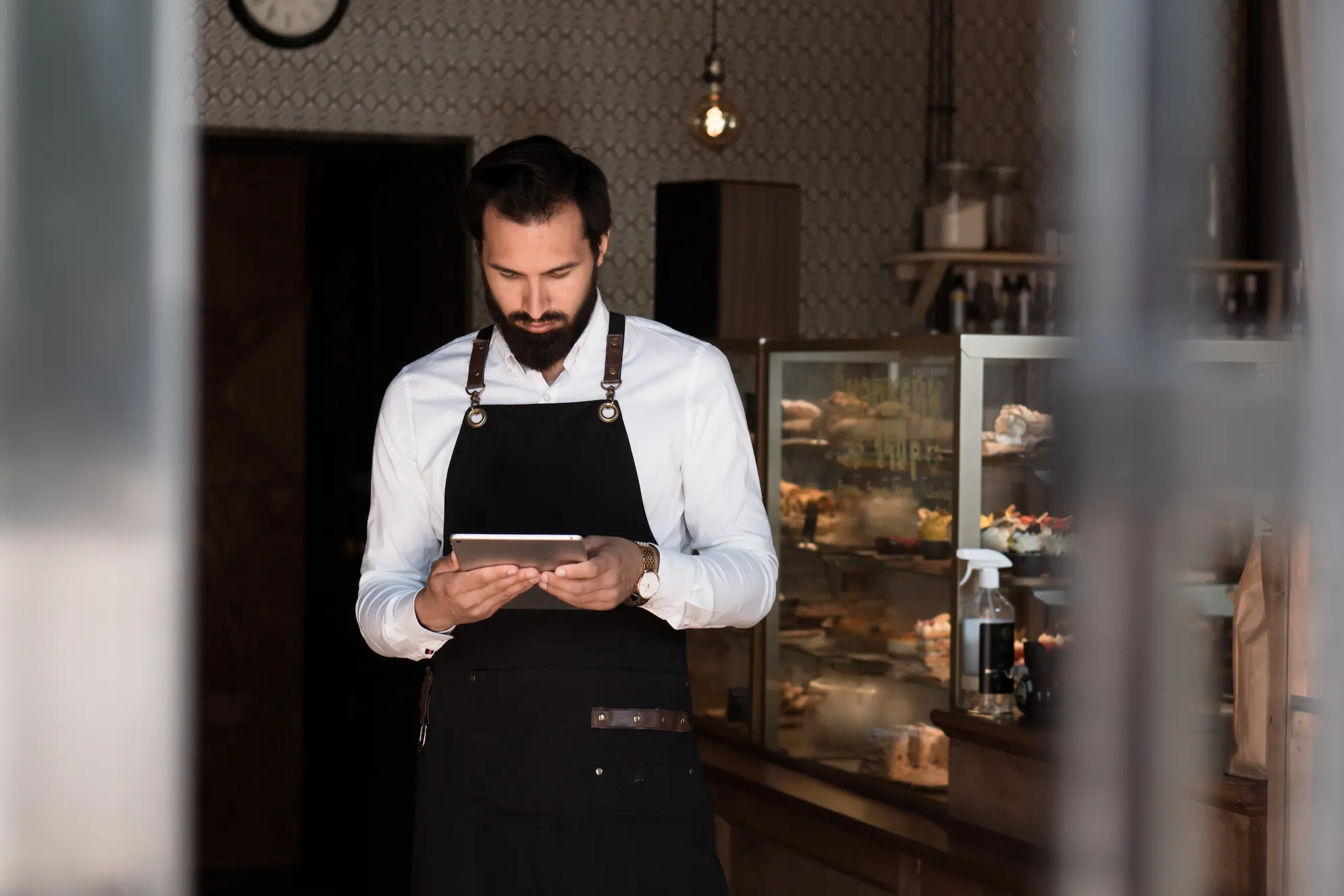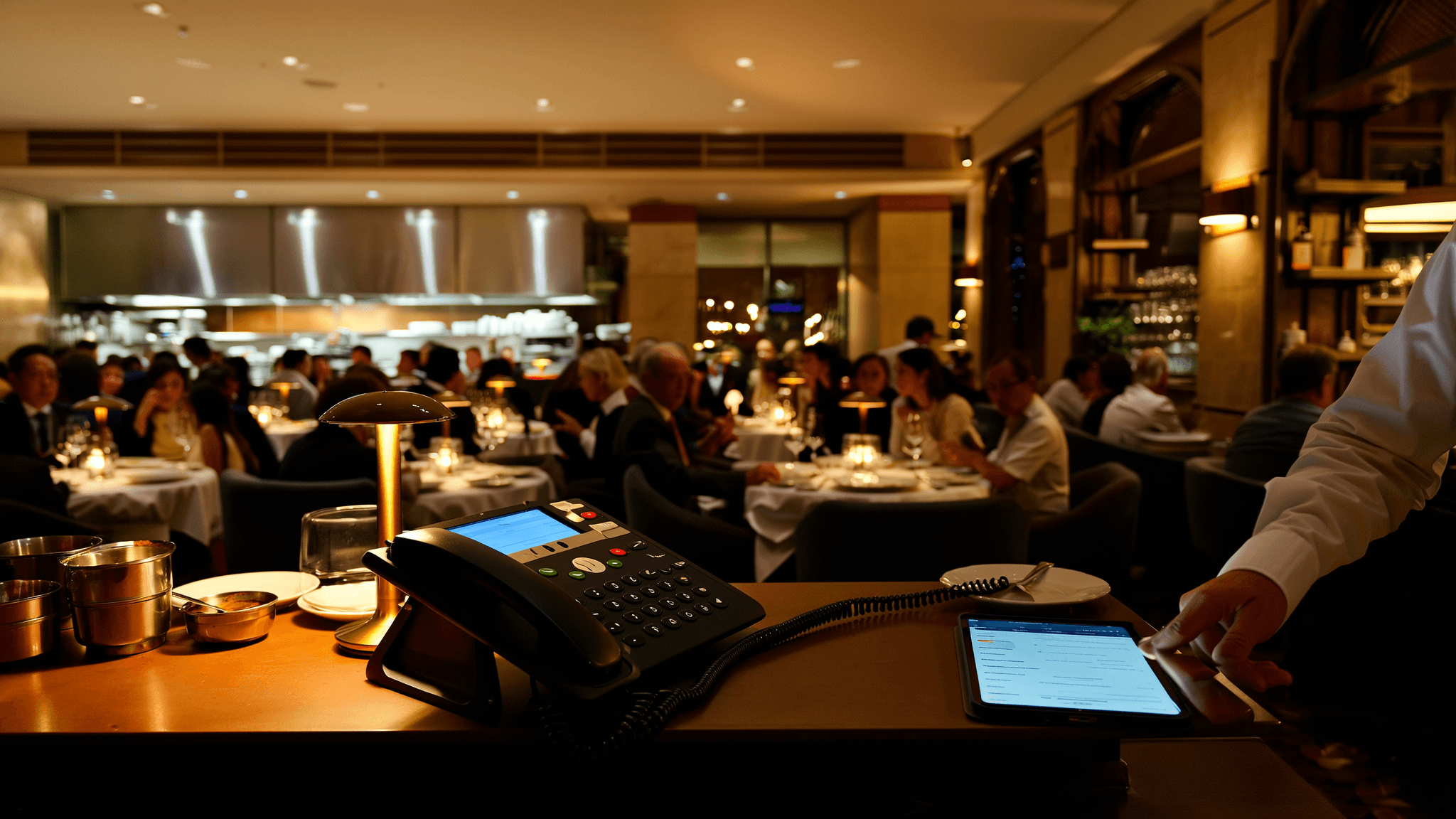
Every Friday night, multi-location restaurant chains face the same invisible drain on their bottom line: the phone ringing off the hook during the peak dinner rush. While host stands manage the immediate chaos of incoming guests and ticket times, inbound phone calls are frequently pushed to voicemail, placed on long holds, or missed entirely. For a busy operator, a ringing phone during a rush is often treated as a disruption rather than what it actually is—a high-value revenue channel.
When lines are busy or staff are too overwhelmed to answer, prospective guests hang up and call a competitor. Relying on front-of-house staff to simultaneously run the floor and handle complex phone inquiries results in a compromised guest experience and lost revenue.
To fix this operational bottleneck, enterprise hospitality brands are turning away from traditional, costly outsourced call centers and implementing automated AI call center solutions built specifically to withstand the realities of high-volume restaurant operations.
Why Traditional Restaurant Call Handling Breaks at Scale
Traditional methods of managing inbound phone traffic simply cannot scale alongside a growing multi-location restaurant brand. During peak operational windows, front-of-house staff are naturally focused on serving the guests directly in front of them. When these teams are forced to multitask—shuffling between processing in-person payments, seating walk-ins, and answering phone inquiries—operational efficiency drops sharply.
This friction creates immediate compounding issues across single units and multi-location setups alike:
- Voicemail Abandonment and Long Hold Times: Callers rarely wait on hold for more than a few minutes during a rush, and fewer leave voicemails. Most simply hang up, causing immediate drop-offs in order volume.
- Inconsistent Guest Experiences: A rushed employee handles calls differently than a calm one. Inquiries about allergen details, catering packages, or private events receive vastly different answers depending on who picks up the phone and how busy the kitchen is.
- Compounded Multi-Location Complexity: Managing phone lines across five, ten, or fifty locations creates massive administrative overhead. Staff shortages at a single location instantly break that store's phone operations, creating blind spots for corporate oversight and leading to zero visibility into call performance.
Outsourcing to traditional, human-staffed call centers rarely solves the underlying problem. These call centers struggle with high employee turnover, require extensive ongoing training whenever menus or holiday hours change, and introduce significant fixed labor expenses that cut directly into restaurant profitability.
What an AI Call Center Actually Does for Restaurants
An intentional restaurant AI phone system does not just screen calls or route users to a digital menu link via text; it acts as an automated, scalable extension of your front-of-house team. Operating as an intelligent AI phone call assistant, the platform answers every inbound call on the first ring, 24/7, completely eliminating the concept of a busy signal or a missed call.
By integrating deeply with a restaurant group's existing tech stack, an advanced AI call assistant handles the core volume of inbound inquiries completely autonomously:
- Reservations, Takeout, and Delivery: Guests can book tables, modify existing reservations, or place off-premise orders entirely through natural voice conversation.
- Complex FAQ Resolution: The system instantly resolves recurring guest questions regarding parking availability, cross-contamination, ingredient modifications, and holiday hours.
- Catering Inquiries and Event Routing: Large-party catering and corporate event leads are qualified automatically and routed directly to the appropriate manager, ensuring high-value business is never lost to an unanswered phone.
- Native Bilingual Support: A truly enterprise-ready platform functions as a bilingual AI voice agent, shifting smoothly between English and Spanish based on the caller's preference to ensure seamless communication across diverse markets.
This level of restaurant call automation ensures absolute consistency. Every caller receives the same precise, polite, and brand-aligned information regardless of call volume, time of day, or local staffing constraints.
The Business Impact of AI Voice Systems
Transitioning to automated restaurant AI call answering drives immediate, measurable business outcomes across labor optimization, revenue protection, and order volume expansion. Because the phone is a direct transactional channel, keeping it continuously open prevents immediate revenue leakage.
The operational capability of enterprise-grade voice AI is proven by real-world data collected across high-volume restaurant environments. Built by restaurant operators who originally designed and tested the system inside Rreal Tacos to manage real-world operational chaos during extreme peak hours, the platform is engineered explicitly for maximum revenue protection.
Consider the actual performance metrics achieved across high-volume brands over a six-month operating window:
- Unlimited Simultaneous Inbound Calls: Traditional copper or digital phone lines drop callers during high-intensity rushes. The platform handles unlimited concurrent calls with zero busy signals, famously managing peaks of 78 simultaneous calls during major operational rushes at Rreal Tacos.
- Massive Volume Resolution: The system successfully answered over 138,000 calls in a six-month period, maintaining an exceptional 78% first-call resolution rate without requiring a single minute of staff intervention.
- Measurable Revenue Protection: By executing reliable missed-call recovery protocols on 53.9k recovered calls, the system protected $2.4 million in annualized revenue, driving an average monthly revenue increase of over $110,000 chain-wide.
- Substantial FOH Labor Relief: By autonomously answering FAQs and processing routine orders, the platform saved over 700 labor hours per month. This massive reduction in staff interruptions allowed floor teams to focus entirely on table turn times and in-person hospitality.
Why Restaurants Are Treating the Phone Like a Revenue Channel Again
For years, the inbound phone line was a constant source of stress for hospitality teams—a noisy, disruptive operational bottleneck that pulled staff away from the floor and frustrated guests with long hold times.
Modern voice AI has fundamentally flipped this dynamic. By deploying an intelligent, fully-managed voice infrastructure, multi-location restaurant groups are turning the phone back into what it was always meant to be: a highly predictable, automated, and profitable revenue channel.
You no longer have to choose between delivering elite floor hospitality and capturing off-premise sales. With an always-on AI host managing your lines, your team can focus entirely on the dining room while the platform securely locks in your next catering order, reservation, and delivery request.
Recover Missed Restaurant Revenue Today
Stop letting peak-hour phone traffic disrupt your floor staff and drain your bottom line. Let RestoHost AI handle the volume, protect your margins, and deliver elite, 24/7 bilingual support across every single location your brand operates.